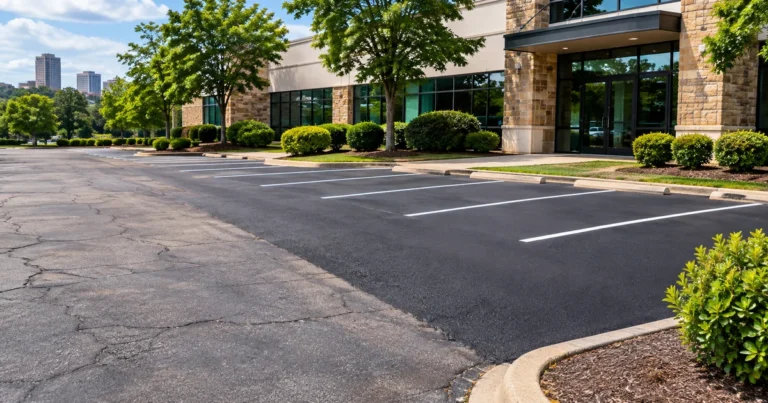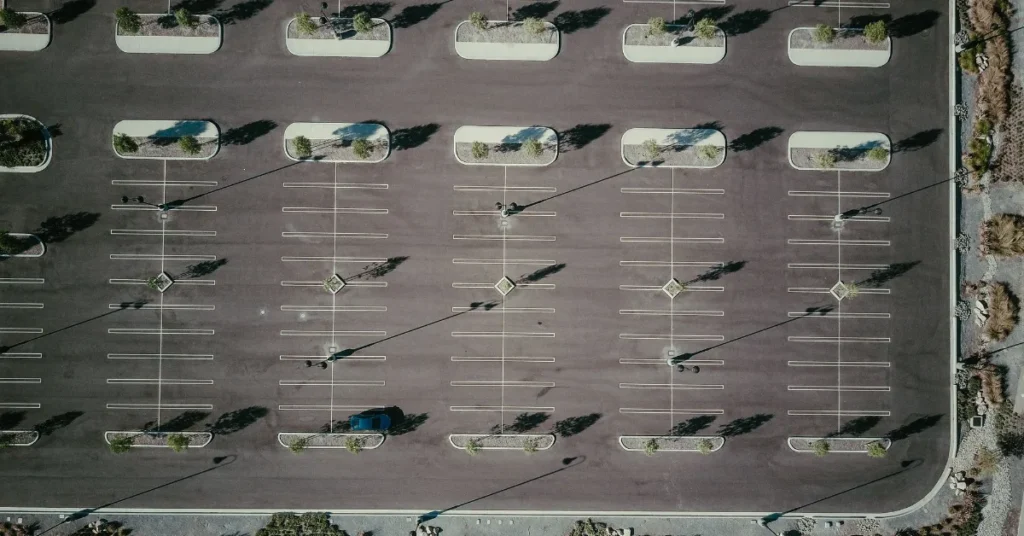
A task-by-task commercial parking lot maintenance checklist organized by weekly, monthly, seasonal and annual responsibilities, so nothing slips between site visits.
A commercial parking lot maintenance checklist works best when it is built around time, not just around problems. Instead of waiting for a pothole or a tenant complaint, property managers assign small tasks to every week, larger inspections to every month and season, and major decisions to the annual budget cycle.
For Birmingham, Alabama properties, that rhythm matters. Heavy rain, summer heat and occasional freezing nights all affect asphalt, drainage and pavement markings. A simple, repeatable routine helps you catch small issues early, keep records your owners and vendors can rely on, and plan parking lot maintenance before it becomes emergency repair.
This guide is written for retail centers, office parks, medical buildings, warehouses and multi-tenant sites. Use it as a working checklist, then adjust the frequency of each task to the way your lot is actually used.
What a Commercial Parking Lot Maintenance Checklist Should Cover
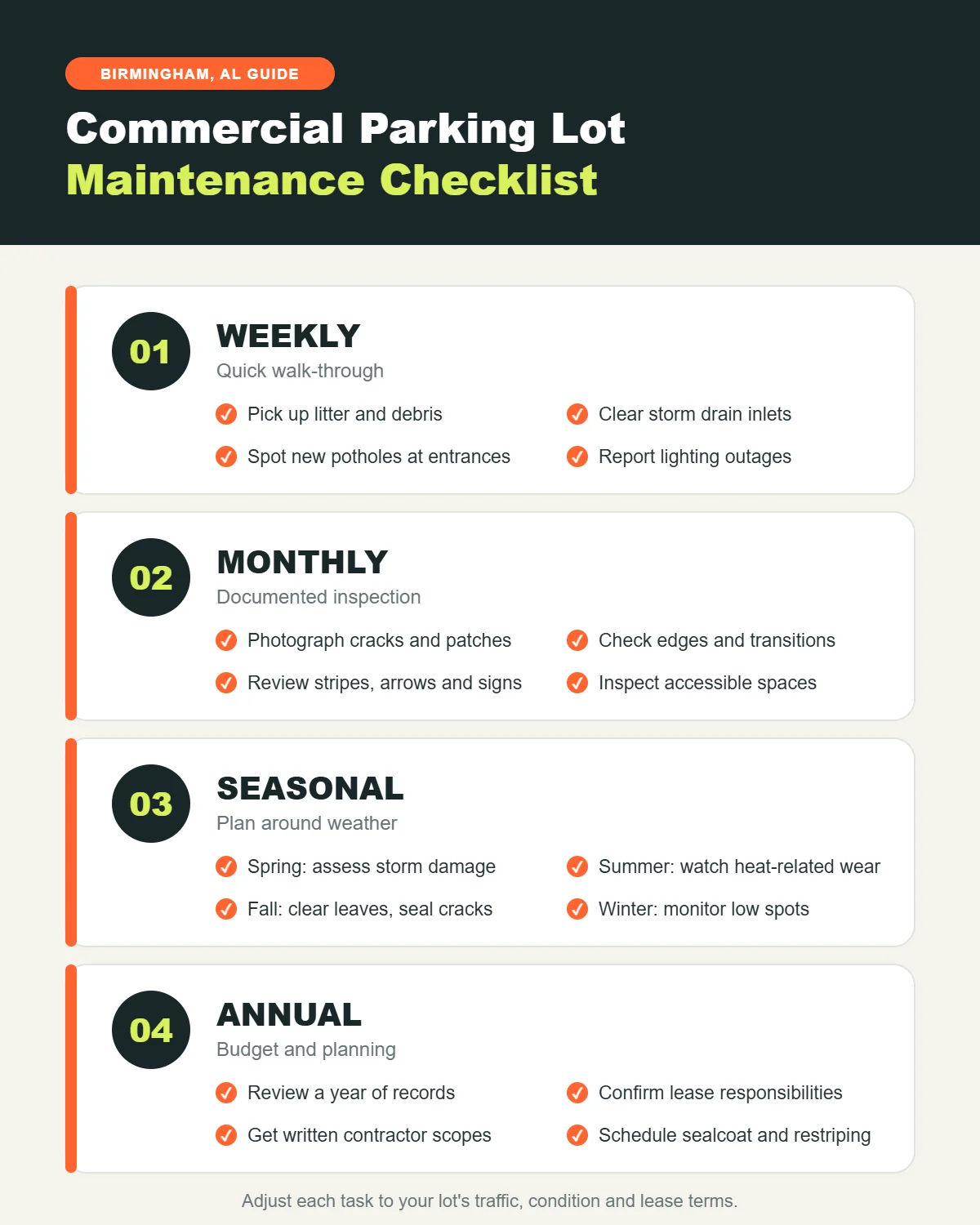
A practical checklist for a commercial property usually covers four areas:
Each area appears at a different frequency below. Quick visual checks happen often; detailed inspections and repair decisions happen less often but with more planning.
Weekly Parking Lot Checklist
Weekly tasks are quick walk-through items that on-site staff, a porter service or a building engineer can usually handle.
Many commercial properties also schedule parking lot sweeping on a regular cycle. Clean pavement is easier to inspect, and debris that stays out of drains helps water move off the surface after storms.
Monthly Parking Lot Inspection Checklist
Once a month, walk the entire lot with a phone camera and a simple log. Cover drive lanes, parking rows, loading areas, dumpster pads, entrances and perimeter edges, not just the spaces closest to the building.
- New or widening cracks, including interconnected “alligator” cracking.
- Potholes, depressions, rutting or raveling (loose stone on the surface).
- Failing patches and damage around utility covers.
- Crumbling edges where asphalt meets curbs, sidewalks or landscaping.
- Faded stall lines, arrows, crosswalks and fire lane markings.
- Accessible parking spaces, access aisles and signs that are damaged or unclear.
- Uneven transitions between asphalt and concrete along pedestrian routes.
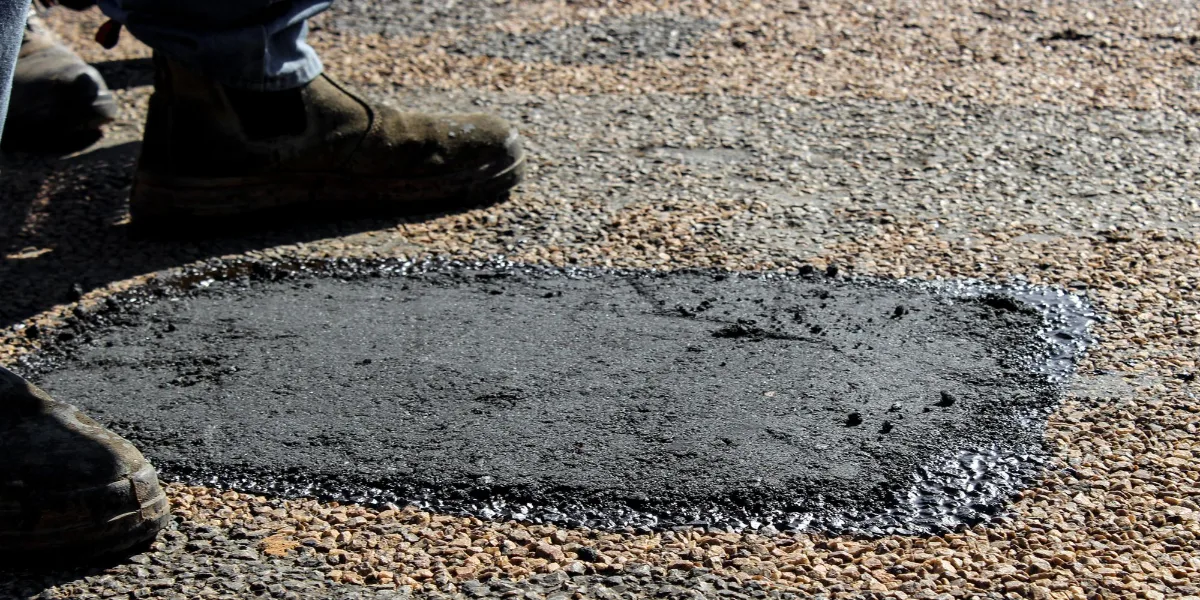
Photograph each issue from the same angle every month. Side-by-side photos make it much easier to show an owner or contractor that a crack is spreading or a patch is failing.
Mark issue locations on a simple site map, such as “Row C, near the east entrance.” A consistent location system saves time when you request asphalt repair quotes and helps vendors find every area on your list.
Seasonal Parking Lot Maintenance Schedule for Birmingham
Seasonal reviews connect your inspection findings to the right time of year for different types of work.
Assess Winter and Storm Damage
Look for new cracks, potholes and drainage problems after the cooler, wetter months. Start collecting quotes for planned work.
Watch for Heat-Related Wear
Check for softening, scuffing and rutting in loading areas and turning lanes. Coordinate surface work around tenant traffic.
Prepare Drainage and Cracks
Clear leaves from inlets, address open cracks before colder weather and confirm markings are visible before shorter days.
Monitor and Plan
Watch for ice in low spots and water that refreezes. Use this quieter period to finalize next year’s maintenance plan.
Surface treatments such as sealcoating and striping generally need dry pavement and suitable temperatures, and product requirements vary. Birmingham’s frequent rain can shift project dates, so build flexibility into vendor schedules and tenant notices.
Add an extra walk-through after any major storm. Look for standing water that does not drain, debris blocking inlets, washed-out edges and new potholes.
Annual Parking Lot Maintenance Plan
Once a year, step back from individual issues and build a parking lot maintenance plan for the next 12 months. This is where inspection records turn into budget decisions.
- Review a full year of inspection photos and notes.
- Arrange a professional condition assessment if damage is spreading.
- Decide which areas need crack sealing, patching, sealcoating or resurfacing.
- Check when the lot was last sealcoated and restriped.
- Review lease terms to confirm who pays for each type of work.
- Request written scopes from qualified contractors and compare what each includes.
- Schedule work to limit disruption to tenants, customers and deliveries.
Sealcoating is often considered on a cycle of a few years, but the right timing depends on pavement condition, traffic and sun exposure rather than a fixed date. Review parking lot sealcoating options as part of the annual plan, and remember that cracks are usually addressed before a seal is applied. If large sections are failing, it may be time to read about how often asphalt needs to be replaced.
Restriping and Accessible Parking
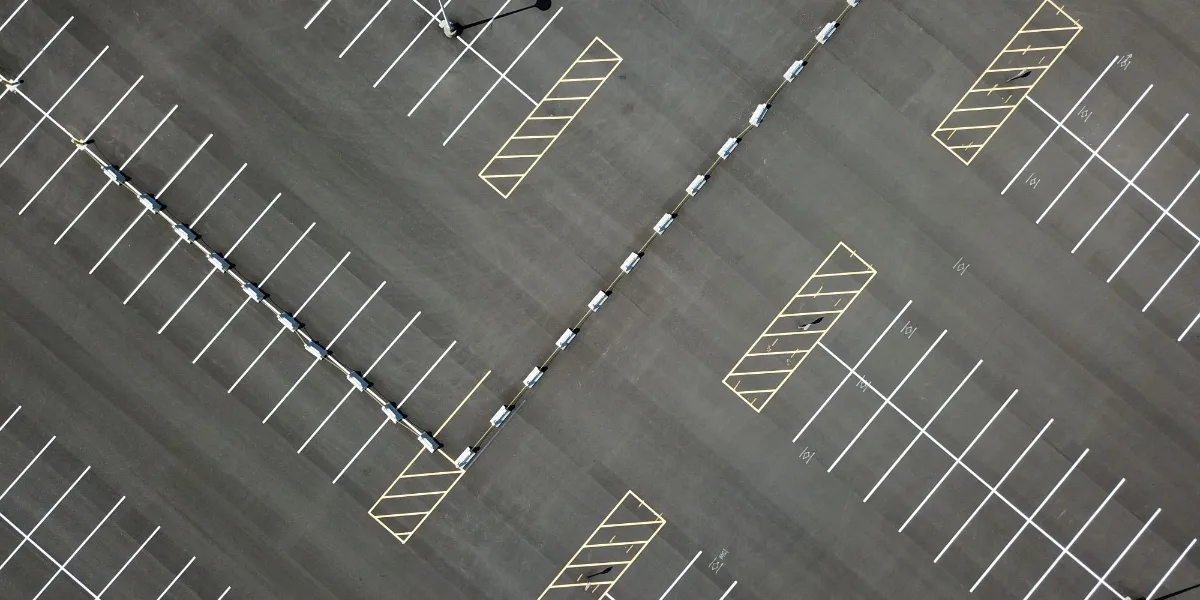
Restriping is easy to treat as cosmetic, but it also affects traffic flow and accessibility. Plan parking lot striping after sealcoating or major repairs so the new layout goes down on finished pavement.
The U.S. Department of Justice explains that when a business restripes its parking lot, it must provide accessible parking spaces as required by the 2010 ADA Standards for Accessible Design. Review the ADA compliance brief on restriping parking spaces ↗ before finalizing a new layout.
This checklist is not an ADA compliance review. Confirm requirements with qualified professionals when changing the number, size or location of parking spaces.
Who Is Responsible for Parking Lot Maintenance?
Responsibility depends on ownership, lease terms and service contracts. A shared checklist works best when every task has a named owner. A typical split might look like this:
| Task | Frequency | Often handled by |
|---|---|---|
| Litter pickup and drain clearing | Weekly | On-site staff or porter service |
| Sweeping | As scheduled | Sweeping contractor |
| Documented inspection | Monthly and after storms | Property manager |
| Crack sealing and patching | As needed | Paving contractor |
| Sealcoating and restriping | Based on condition | Paving contractor |
| Budget approval | Annually | Owner or asset manager |
Always confirm responsibilities in the lease. Some leases assign parking lot costs to tenants through common area maintenance charges, while others keep them with the owner.
How to Prioritize Parking Lot Repairs
Not every item on the checklist needs immediate action. Sort findings into three groups:
Act Promptly
Trip hazards, deep potholes in drive lanes, blocked drains and damaged accessible routes.
Schedule Soon
Spreading cracks, failing patches and faded traffic markings.
Record and Review
Minor surface wear and hairline cracks to recheck at the next inspection.
Frequently Asked Questions
How often should a commercial parking lot be inspected?
A quick visual check each week and a documented inspection each month is a practical starting point, plus an extra walk-through after major storms. Busy lots, older pavement and sites with drainage problems may need closer monitoring.
How often should a parking lot be resealed?
There is no single interval for every lot. Sealcoating is often considered every few years, but timing depends on pavement condition, traffic, sun exposure and the product used. A contractor can recommend timing after reviewing the surface.
Who is responsible for parking lot maintenance?
It depends on the property’s ownership structure, lease agreements and service contracts. Owners, tenants, property managers and vendors may each handle different tasks, so confirm responsibilities in writing.
How much does it cost to maintain a parking lot?
Costs vary with lot size, existing damage, the type of work, drainage conditions and access requirements. A site-specific scope from a qualified contractor is the only reliable way to estimate a budget.
What should a parking lot inspection checklist include?
Include cracks, potholes, patches, pavement edges, drainage, markings, signage, lighting, accessible spaces and pedestrian routes. Record photos, locations, priorities and follow-up dates for each issue.
Turn Your Checklist Into a Maintenance Plan
A consistent commercial parking lot maintenance checklist gives Birmingham property managers clear records, fewer surprises and better information for budget decisions.
If your inspections show spreading cracks, drainage problems or faded markings, the next step is a site-specific review of the pavement and a clear scope of work.
Project scope and service availability can be confirmed during the inquiry.This article is general maintenance information, not an engineering assessment, legal opinion or ADA compliance certification. Site conditions, lease terms and applicable requirements should be reviewed by qualified professionals.