
COMMERCIAL ASPHALT REPAIR · BIRMINGHAM, AL
Commercial Asphalt & Parking Lot Repair in Birmingham, AL
Cracks, potholes and deteriorating pavement can have different causes. Explore commercial parking lot repair options, understand what may affect the scope, and prepare the right questions before requesting an assessment.
Recommendations, availability, pricing and timing depend on the condition of the site and the agreed project scope.
Three common commercial asphalt repair needs.
The visible problem is only one part of the decision. The right approach depends on the size of the affected area, the condition beneath it and how the pavement is used.
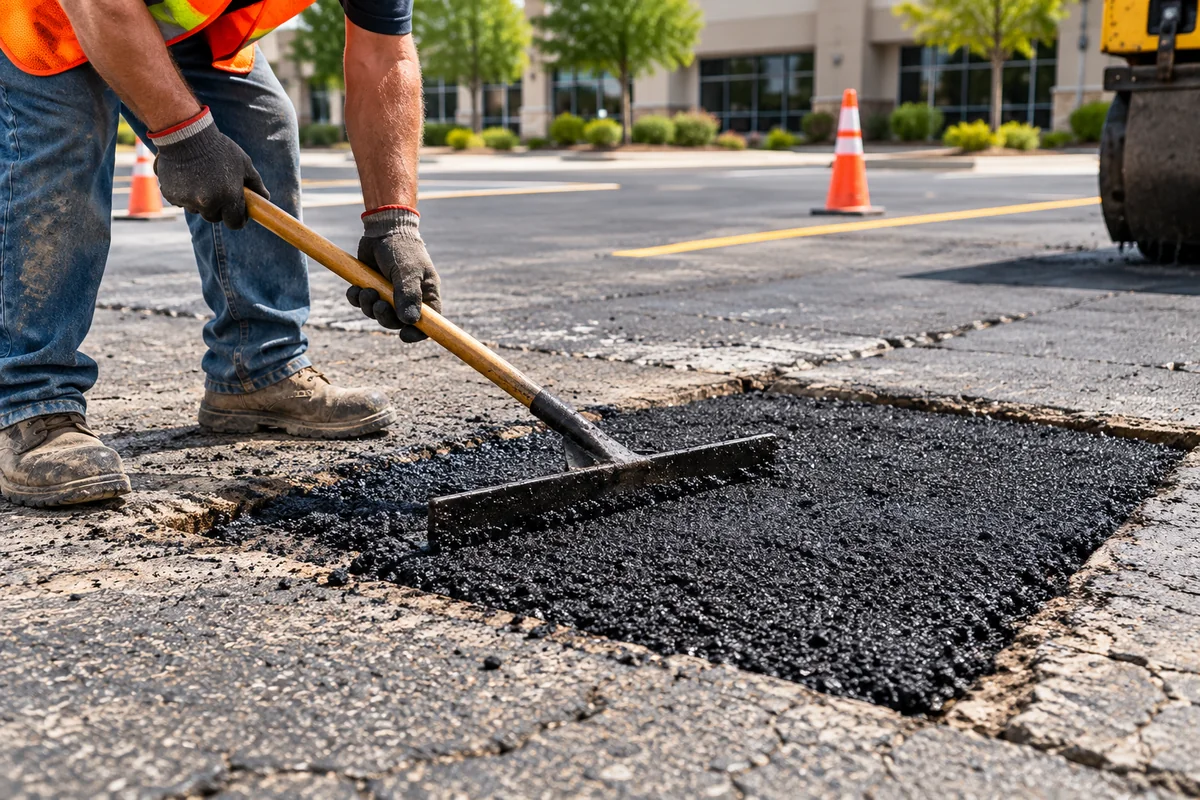 LOCALIZED DAMAGEAsphalt PatchingReview options for isolated failed pavement and damaged sections.Explore patching
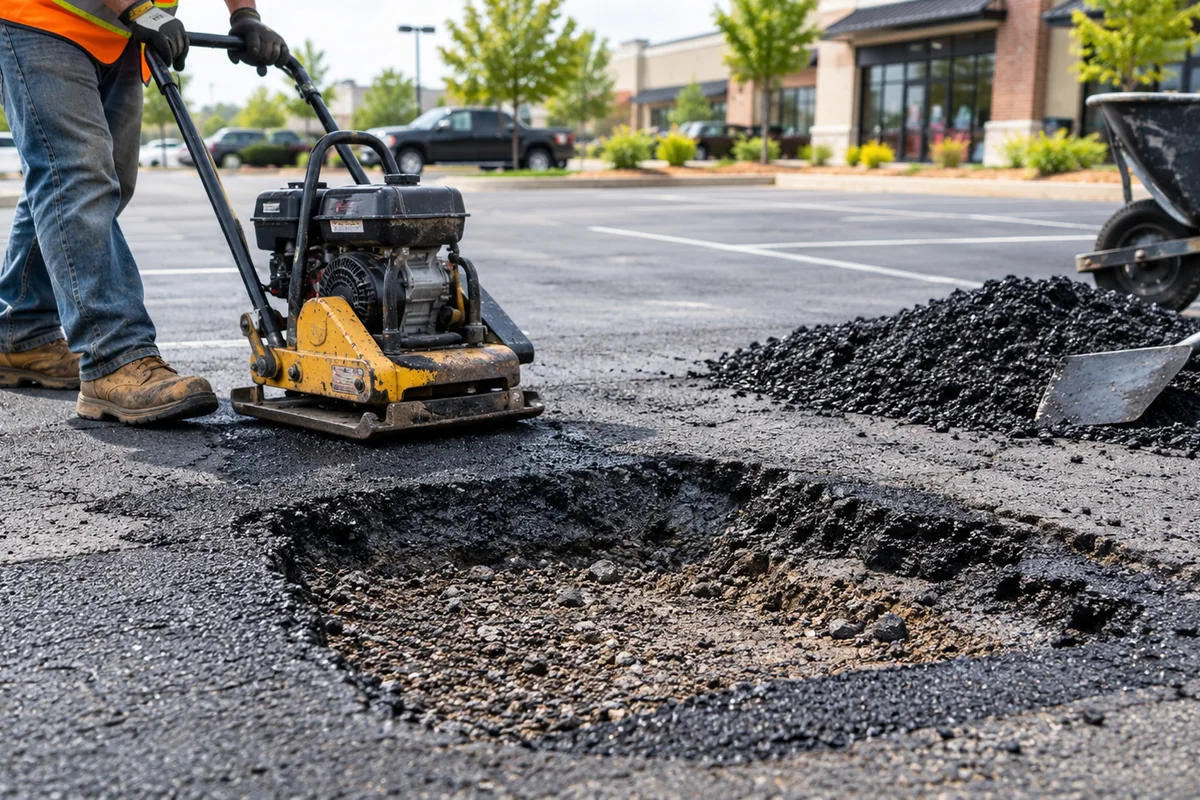 SURFACE BREAKDOWNPothole RepairConsider the visible hole and any underlying pavement failure.Explore pothole repair
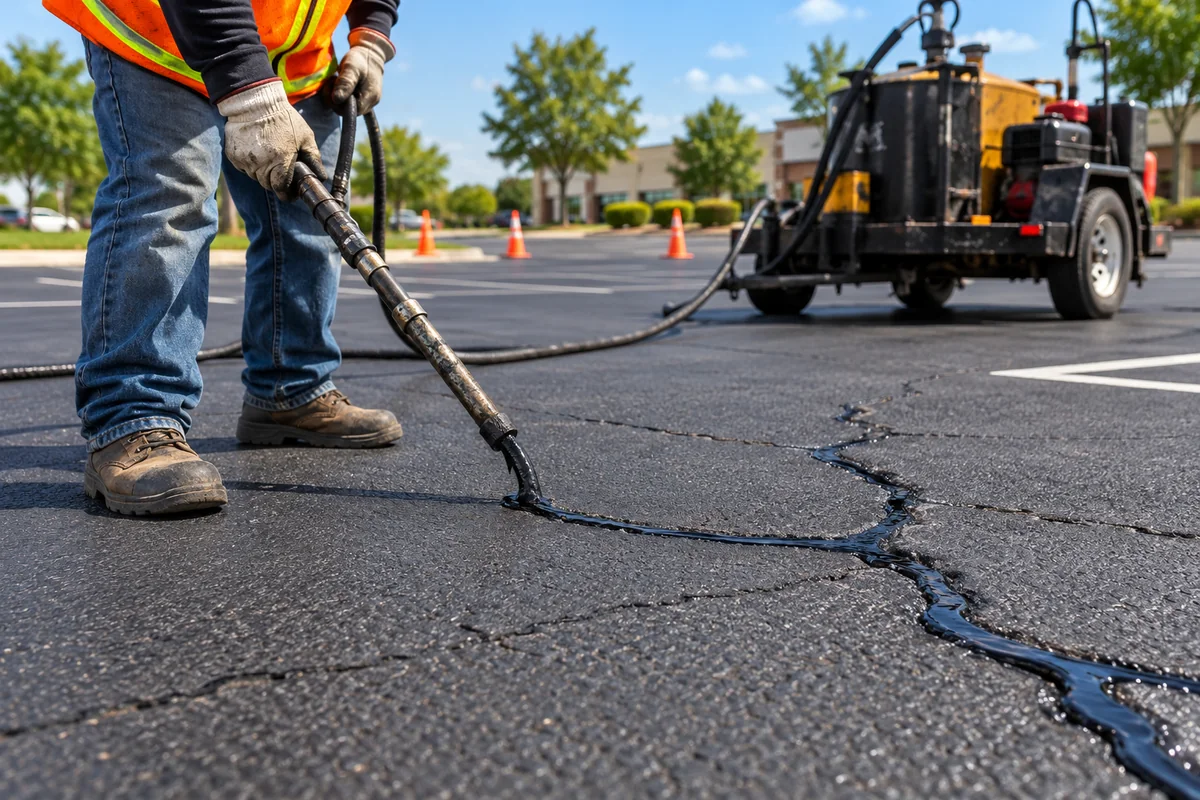 CRACKINGCrack RepairIdentify whether cracks are suitable for filling or need a wider repair.Explore crack repair
Filling a visible defect may not resolve a problem caused by a weakened base, settlement or recurring water intrusion. The repair scope should reflect the actual pavement condition.
Commercial Parking Lot Repair Services
Different types of asphalt damage require different approaches. Understanding the problem is an important first step in determining a suitable repair plan for a commercial parking area.
For a commercial property in Birmingham, AL, include the approximate location of each damaged area, any recurring pavement failures and how the affected spaces are used when requesting an assessment. These details can help clarify the initial scope, although a site assessment may still be necessary.
Asphalt Patching
Asphalt patching addresses localized areas of damaged or deteriorated pavement. Depending on the condition of the surface and underlying materials, patching may involve removing failed asphalt, preparing the affected area and placing suitable replacement material.
Patching may be considered for isolated deteriorated areas, damaged sections near access lanes or localized pavement failures in commercial parking areas.
The appropriate repair method depends on the cause and depth of the damage. Surface-level treatment alone may not resolve a problem caused by underlying structural failure or persistent water intrusion.
Commercial Pothole Repair
Potholes can develop when pavement deteriorates and traffic contributes to the breakdown of weakened areas. Water infiltration, pavement aging and problems in the underlying base may contribute to the damage.
For commercial properties, pothole repair planning should consider the size and depth of the affected area, surrounding pavement condition, drainage and expected vehicle traffic.
A suitable repair may require more than filling the visible hole. Where the underlying pavement has failed, the repair approach should address the affected area and relevant contributing conditions.
Asphalt Crack Repair and Crack Filling
Cracks can develop for several reasons, including pavement aging, temperature-related movement, traffic loading and water entering the pavement structure.
Crack filling or crack sealing may be appropriate for certain cracks when the surrounding asphalt remains suitable for treatment. The correct method depends on the crack’s characteristics and the condition of the pavement.
Crack treatment is not a substitute for repairing widespread structural deterioration. If cracks are accompanied by significant settlement, repeated failures or extensive breakup, a more comprehensive repair assessment may be needed.
Localized Asphalt Damage Repair
Not all pavement problems appear as obvious potholes. Some commercial parking lots develop isolated broken edges, surface deterioration, localized depressions or areas where previous repairs have failed.
The repair strategy should account for the extent of the damaged pavement, the condition of adjacent areas and the likely cause of the problem. Identifying these factors can help establish whether localized asphalt repair is appropriate or whether more extensive work should be considered.
Signs Your Commercial Parking Lot May Need Repair
Regularly reviewing the pavement can help property owners identify visible problems and plan appropriate maintenance.
- Potholes or sections of missing asphalt.
- Cracks that are spreading or becoming more pronounced.
- Areas where pavement appears to be breaking apart.
- Repeated damage in the same location after previous repairs.
- Uneven or settled sections of pavement.
- Water collecting in areas where drainage may be inadequate.
- Deterioration around entrances, drive aisles or frequently used areas.
These signs do not all indicate the same underlying problem. The appropriate response depends on the type and extent of damage. Where a damaged area may create an immediate traffic or pedestrian hazard, property managers should arrange appropriate temporary controls and qualified assessment rather than relying on a repair quote alone.
How the Asphalt Repair Process Works
A commercial parking lot repair project should begin with an understanding of the pavement condition and the work required.
- 01
Review the pavement condition
Identify visible cracks, potholes, failed patches, uneven areas and possible drainage concerns.
- 02
Identify the repair approach
Consider localized patching, crack treatment, larger-area repairs or resurfacing based on the site.
- 03
Define the scope of work
Clarify the repair areas, preparation requirements, exclusions and any identified underlying issues.
- 04
Coordinate site access
Discuss affected parking spaces, work sequencing, deliveries and temporary access restrictions.
- 05
Review completed work
Compare the repaired areas with the agreed scope and ask about relevant use and maintenance guidance.
Asphalt Repair vs. Parking Lot Resurfacing
Repairing a damaged section and resurfacing a larger paved area address different needs.
When asphalt repair may be suitable
Localized repairs may be worth considering when damage is limited to particular sections and the surrounding pavement remains in suitable condition.
- Isolated potholes
- Localized failed patches
- Cracks that are appropriate for treatment
When resurfacing may be worth considering
Resurfacing may be an option when surface deterioration extends across a larger area but the underlying structure remains suitable for an overlay.
- Widespread surface wear
- Large areas needing a new surface layer
- Site conditions suitable for an overlay
If extensive structural failure, major base deterioration or unresolved drainage problems are present, an overlay alone may not address the underlying cause. A property-specific assessment can help compare localized repair, resurfacing and more extensive rehabilitation.
Explore Commercial Asphalt Paving in Birmingham, AL
What Affects Commercial Asphalt Repair Cost?
The cost of commercial asphalt repair depends on the repair method, the amount of damaged pavement and the work required to prepare the affected area.
Damaged area
The number and dimensions of potholes, cracks or failed pavement sections.
Depth and severity
Whether the problem is limited to the surface or extends deeper into the pavement.
Preparation and base
Removal, preparation, underlying deterioration, settlement or water-related problems.
Method and access
Materials, site logistics, access limitations and coordination with property users.
A useful estimate should explain the work included, the areas covered, relevant exclusions and circumstances that could affect the final cost. Comparing written proposals can help property managers understand whether contractors are quoting for the same scope.
Understand the repair scope for your property.
Share the damage location, approximate area and any useful photographs.
Commercial Parking Lot Maintenance
Repair is one component of a wider pavement maintenance plan. The appropriate approach depends on the condition, age, use and requirements of the property.
- Review visible cracks and deteriorating pavement.
- Monitor potholes and areas where previous repairs have failed.
- Review drainage patterns and recurring water accumulation.
- Check high-traffic entrances and frequently used drive aisles.
- Review pavement markings and the condition of the wider parking area.
Maintenance recommendations should reflect the actual pavement condition. Crack treatment or sealcoating may be useful in appropriate circumstances, but neither should be treated as a universal solution for structural pavement problems.
Choosing a Commercial Asphalt Repair Contractor
Before selecting a contractor for commercial parking lot repair, ask questions that clarify the proposed scope and how the work will be handled.
- How will the damaged pavement be assessed?
- What is the proposed repair method, and why is it appropriate?
- Will the work address any identified underlying problems?
- Which areas are included in the estimate?
- Are removal, preparation and cleanup included?
- How will access to the property be coordinated during repairs?
- What schedule is proposed, and what factors could affect it?
- What warranty terms, exclusions and payment conditions apply?
Review proposals based on the scope of work, proposed approach, relevant qualifications and terms—not price alone. Verify applicable licensing, insurance and references directly with the contractor.
Frequently Asked Questions About Parking Lot Repair
What is included in commercial parking lot repair?
Depending on the project, repair work may include pothole patching, localized asphalt replacement, crack treatment or repairs to other damaged pavement areas. The actual scope depends on the condition of the site and the proposed solution.
How much does parking lot repair cost in Birmingham, AL?
The cost depends on the size, depth and extent of the damage, preparation requirements, materials, access conditions and any underlying pavement problems. A site-specific estimate is the best way to understand the expected cost.
Can potholes be repaired without resurfacing the entire parking lot?
In some cases, yes. Localized patching may be suitable when damage is limited and the surrounding pavement remains in suitable condition. Widespread deterioration or repeated failures may require a broader repair strategy.
Is crack filling enough to repair damaged asphalt?
Not always. Crack filling or sealing may be appropriate for certain cracks, but it does not correct every cause of pavement deterioration. The correct treatment depends on the type of crack and the condition of the surrounding pavement.
When should a parking lot be resurfaced instead of repaired?
Resurfacing may be appropriate when deterioration affects a larger area and the underlying structure is still suitable for an overlay. Extensive structural damage or drainage problems may require a different solution.
How long does asphalt parking lot repair take?
The schedule depends on the quantity and type of repair, preparation requirements, site access, weather and the agreed project scope. Ask for a project-specific schedule and confirmation of when repaired areas can be used.
Can repairs be carried out while a business remains open?
That depends on the location of the affected areas, site layout, work method and access requirements. Discuss temporary restrictions and possible work sequencing before the project begins.
What information should I provide when requesting a repair quote?
Provide the property location, approximate size and location of damaged areas, a description of visible problems, preferred timing and any relevant photographs. This information may help establish the initial scope, although an assessment may still be necessary.
Request a Commercial Asphalt Repair Estimate
If your commercial parking lot has potholes, deteriorating patches or cracks that need attention, the next step is to establish the extent of the damage and discuss suitable repair options.
Recommendations and pricing depend on the actual site conditions and agreed scope.
Repair recommendations, project availability, pricing and schedules depend on the actual site conditions and the services offered by the selected contractor.